Admission Open For 2025-2026


Admission Open For 2025-2026
Admission Open For 2025-2026


Staff Writer: Sweata Maiti
Last Updated: December 3, 2025
| Synopsis: With cyber-attacks and data breaches increasing sharply, the B.Tech in Cyber Security is emerging as one of the most relevant and in-demand undergraduate courses today. The four-year program arms students with skills in network protection, ethical hacking, cryptography and digital forensics, paving the way for secure and future-proof careers in IT, finance, defense and beyond. |
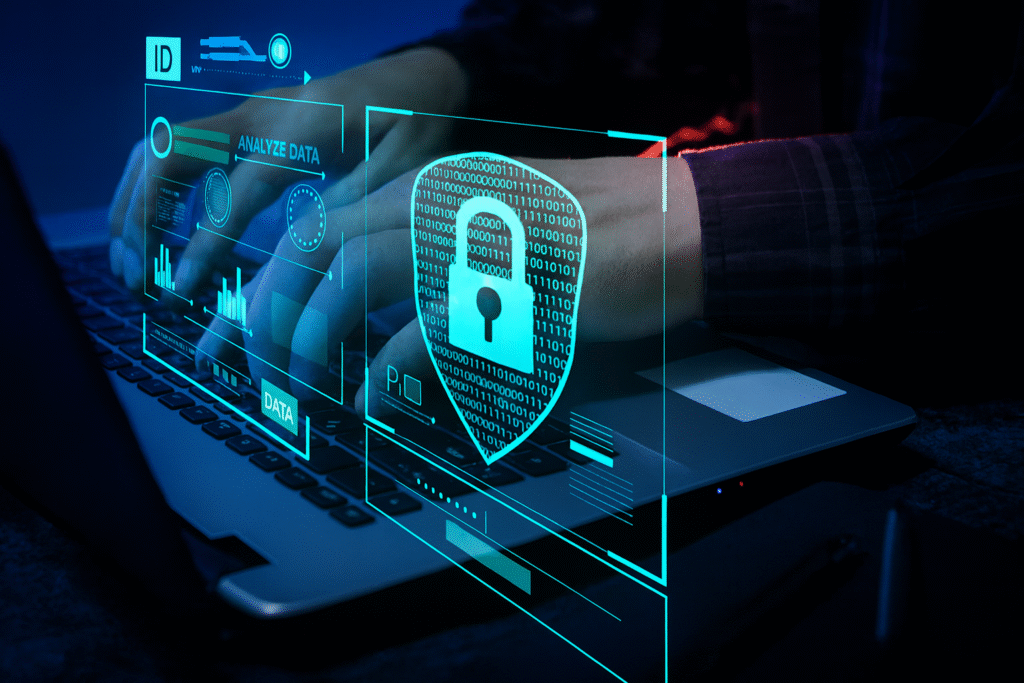
As cyber threats escalate worldwide, demand surges for trained professionals capable of defending digital infrastructure. In this context, the B.Tech in Cyber Security has emerged as a timely and strategic academic choice.
Why Cyber Security Degree Matters
The B.Tech in Cyber Security goes beyond traditional computer science. It specialises in protecting data, networks, and systems — teaching students how to defend against hacking, malware, ransomware, and other digital threats. Growing dependency on online services, digital transactions and cloud infrastructure across sectors has amplified the need for cyber-security experts.
Curriculum & Learning Outcomes
Over eight semesters, the degree blends core computer-science fundamentals (programming, data structures, networks) with focused modules on cryptography, network security, ethical hacking, digital forensics, risk assessment and cyber laws. Students also acquire hands-on experience through labs, simulations and security-testing tools.
Graduates are expected to:
Career Prospects & Demand
The demand–supply gap for skilled cybersecurity professionals remains significant, making this specialisation a high-value qualification. Graduates can pursue roles such as: Security Analyst, Ethical Hacker, Network / Security Engineer, Digital Forensics Expert, Security Consultant or even Chief Information Security Officer (CISO) as they gain experience.
Employers span across IT firms, e-commerce companies, finance & banking, defense, telecom, healthcare and consultancy — all sectors that must safeguard user data and infrastructure.
Entry-level salaries typically start around ₹4-7 LPA, rising substantially with experience and certifications. Senior roles, especially in leadership/security-design positions, can command 20 LPA and above.
For Whom This Course Makes Sense
B.Tech Cyber Security suits students who:
As cyber threats grow more complex and frequent, a degree in Cyber Security doesn’t just offer a career, it positions you at the frontline of digital safety and resilience. For students who are analytical, tech-savvy and security-conscious, this might well be the gateway to a stable, high-impact profession.